History
Madagascar’s history is marked by waves of migration that have shaped its current cultural landscape. The first settlers, believed to be Austronesians from Borneo, arrived around 500 AD, navigating the Indian Ocean. By 1000 AD, Bantu migrants from East Africa had joined them. The island was later influenced by Arab and Persian traders, European pirates, and colonial interests by the French in the 19th century, who officially colonized it in 1896. Madagascar regained independence on June 26, 1960, and has since been a republic with a history of political upheaval but striving towards stability.
Culture
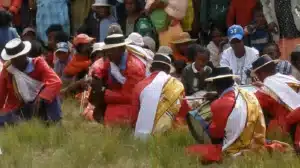
The culture of Madagascar is a vibrant mix of its diverse population’s traditions, with influences from Southeast Asia, Africa, the Middle East, and Europe. Music and dance play pivotal roles, characterized by the use of traditional instruments like the valiha and marovany. The Malagasy cuisine is equally diverse, with staples such as rice and a variety of meats, including zebu beef, influenced by both Asian and African culinary practices. Community and familial ties hold significant cultural importance, manifesting in various social rituals and ceremonies.
Politics
Madagascar operates as a semi-presidential representative democratic republic. The President is the head of state, elected for five-year terms, and governs with a Prime Minister as the head of government. The political landscape has been historically volatile, with several changes of government since independence, often through undemocratic means such as coups. Recent efforts have aimed at stabilizing and democratizing the political process, with international support.
Economy
The economy of Madagascar is heavily reliant on agriculture, which employs more than 80% of the population. Key exports include vanilla, coffee, and spices, making it vulnerable to fluctuations in global commodity prices. The country also has untapped reserves of minerals like nickel, cobalt, and ilmenite. However, economic development is hampered by poor infrastructure, political instability, and challenges like high poverty rates and limited healthcare access.
Tourism
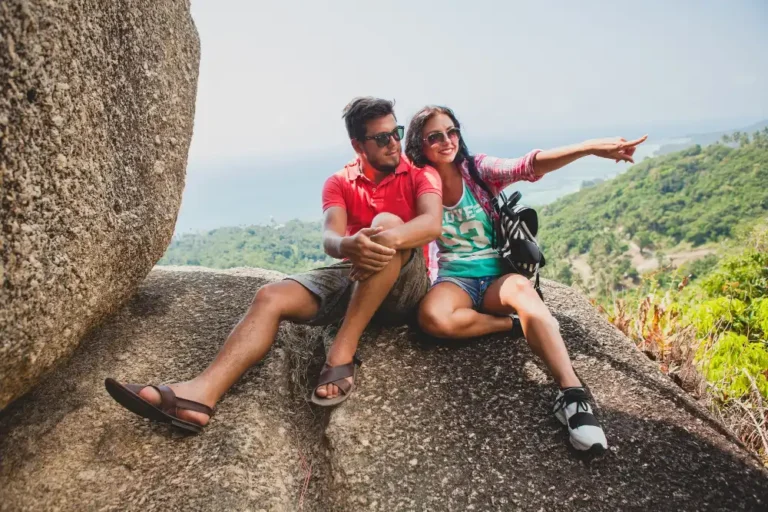
Tourism is a growing sector in Madagascar, celebrated for its unique flora and fauna. Tourists are drawn to its national parks, such as the Tsingy de Bemaraha, known for its limestone karsts, and Masoala National Park, which encompasses rainforest and coastal forest. The island’s endemic wildlife, including lemurs and the fossa, along with beautiful beaches and reefs, offers exceptional experiences for eco-tourists and nature lovers.
Biodiversity
Madagascar is a global conservation priority, with an estimated 90% of its wildlife being endemic. The island’s isolation has created a living laboratory for evolution, resulting in extraordinary species like the baobab trees and over 100 types of lemurs. Conservation challenges include deforestation, illegal wildlife trade, and habitat destruction, with significant efforts from local and international groups aimed at preservation.
Population
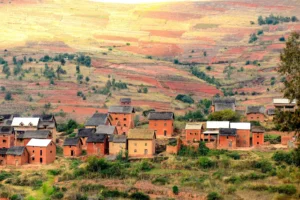
The population of Madagascar is diverse, with 18 official ethnic groups. The largest group, the Merina, resides in the highlands around Antananarivo, the capital. The population is predominantly rural, with a dependence on subsistence farming. The island’s official languages are Malagasy and French, with several indigenous languages also spoken.
Travel Information
Traveling around Madagascar can be challenging due to limited infrastructure. Roads can be impassable in the rainy season, and many areas are only accessible by light aircraft or boats. However, the country’s natural beauty and warm people make the effort worthwhile. Key tips for travelers include respecting local customs, being cautious with health, safety, and securing comprehensive travel insurance.
Health
Healthcare in Madagascar is under-resourced with limited access to services, especially in rural areas. Common health concerns include malaria, respiratory infections, and gastrointestinal issues. Visitors are strongly advised to take preventative health measures, including vaccinations and anti-malarial medication.
Safety and Security
While Madagascar is generally safe for tourists, petty crime and occasional political demonstrations necessitate caution. Tourists should secure their belongings, avoid traveling alone at night, and stay informed about the local political situation.