Exploring the Eastern Rainforests:
Madagascar’s eastern coast is cloaked in dense, humid rainforests that are teeming with biodiversity. Parks like Andasibe-Mantadia and Ranomafana are sanctuaries for the island’s famous lemurs, as well as a myriad of birds, reptiles, and insects. Trekking through these rainforests, you’ll be enveloped in a world of verdant foliage and vibrant wildlife calls, providing an immersive experience in one of the world’s most unique ecosystems.
- What to Do: Guided nature walks, night safaris to see nocturnal species.
- What to Bring: Waterproof clothing, sturdy hiking boots, binoculars for wildlife spotting.
Venturing into the Western Dry Forests:
Contrasting sharply with the east, Madagascar’s western regions feature dry deciduous forests. These areas, including the famous Avenue of the Baobabs and Kirindy Forest, offer a different perspective on the island’s ecological variety. The dry forests are home to species like the fossa and various lemur species that have adapted to the arid climate.
- What to Do: Visit during the late afternoon for stunning sunset views among the baobabs, wildlife watching tours.
- What to Bring: Sun protection, light but protective clothing, plenty of water.
Relaxing on the Northern Beaches:
Madagascar’s northern coast boasts some of the most beautiful beaches in the Indian Ocean, with Nosy Be being the most famous. These tropical paradises offer crystal-clear waters, coral reefs, and sandy shores lined with palm trees, ideal for relaxation or water sports.
- What to Do: Snorkeling, scuba diving, sailing, and simply soaking up the sun.
- What to Bring: Swimwear, snorkel gear, sun protection, beachwear.
Adventuring in the Southern Deserts:
The southern part of Madagascar is characterized by semi-arid deserts where landscapes are dotted with spiny forests and unique rock formations. Places like Isalo National Park provide dramatic vistas and the opportunity to see ring-tailed lemurs and other endemic species in their natural habitat.
- What to Do: Hiking through canyons, visiting local Sakalava tribes.
- What to Bring: Hiking gear, sun hats, and lots of sunscreen.
Hiking the Central Highlands:
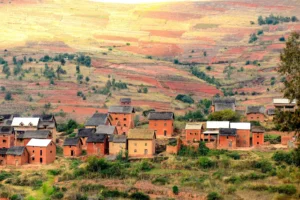
The central highlands, with their rolling hills and terraced rice paddies, offer a glimpse into the agricultural life of Madagascar. The cooler climate here is ideal for hiking and enjoying the panoramic views.
- What to Do: Explore the rural villages, market tours, and historical sites.
- What to Bring: Comfortable walking shoes, layers for variable temperatures, a camera.